We make films, shorts and commercials with AI. Yes, that AI. Slop comes with the territory, and there is no point pretending otherwise. We just do it better than most. The tools keep moving, so we keep moving: twenty years of motion design, VFX and live action, sharpened for whatever ships next.
What we do
There is no button for this. The machine answers fast, confidently, and usually wrong; everything after that is the work. Knowing which take is the one. Knowing why the others are not. Being willing to say it again tomorrow, on the same shot, until it holds. It runs the way a VFX or motion department runs: brief, references, versions, notes, a cut, a deadline. What changed is the tooling. The craft, the taste and the hours did not.
The rig
No model is good at everything, and anyone claiming otherwise is selling one. We run them against each other on the same shot, keep whatever wins, and drop it the week something better ships. That week keeps coming sooner. The floor rises on its own: what took a week of retries in spring lands on the first try by autumn, and the thing you were told was impossible is a checkbox two releases later.
Which is exactly why we never uninstall the old ones. Melted hands, drifting faces, the plastic sheen of eighteen months ago: those stopped being failures and started being a look, the way tape hiss or a scratched print is a look. The newest engine is not always the right one. Sometimes the retired one is the only one with something to say, so it stays on the bench, waiting for the film that asks for it.
The tool
Push it as far as it goes. The stupid idea, the forty-first take, the version nobody asked for. Slopdash™ is what makes that affordable instead of reckless.
It queues the renders and keeps them coming while we sleep. It assembles a rough cut on its own, so there is something to watch the next morning instead of a folder. It files every take with the prompt, the seed, the references, the engine and what it cost, which is why any shot can be rebuilt identically months later. And you judge in the same board we do: keep, kill, write a note on the frame.
Who makes it
A machine can generate takes all night; it cannot want one of them. Between the one who builds the rig and the one who refuses everything that is merely fine, that is the whole job now: taste, held against volume.

Founder · Director · VFX Supervisor
Self-taught. First music video in 1998, out of Paris. New York through the 2000s, Los Angeles since 2010. Graphic design underneath all of it: colour, shape, fast cutting. Two decades of motion design and visual effects since, as animator, CG generalist, 3D lead and supervisor, on various campaigns, music videos, shorts and title sequences. He still directs music videos, and takes them through the cut and the grade. He supervises the effects on his own films and works anywhere on the chain they need him, modelling and lighting through to compositing and the edit, leading a team or joining one. Twenty years of that taught him the tool is never the film, so he builds the rig the films run on and directs on it.

Director · Painter · Photographer
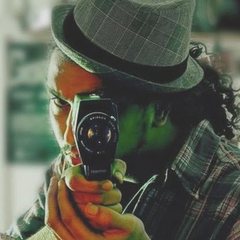
Self-taught too, Paris then New York. Twenty years across film, painting, photography and graphic design, treating none of the four as a side line. The approach stays manual, scratched emulsion as readily as a digital tool, and the cities end up in the frame: Jakarta, Kiev, Bangkok. Campaigns for Coca-Cola, Air France and Nike; his own work shown at the Palais de Tokyo and the Centre Pompidou. An eye like that is the one thing a model cannot be handed. So the frame is composed here before anything is generated, and when the results come back and every one of them is defensible, the argument ends the moment he points at one.
Track record
Studios, agencies and clients are all climbing onto the AI train at once, and everyone is learning it on the way up. Some love it, some hate it. We work in the middle. We have worked closely with Laundry, on Washington Lottery and Endeavor, and with Teamwin Studios. Both of them run commercial and VFX production week in, week out, which tells you more about where this is going than the argument about it does. Behind them, twenty years on other people’s films: Nike, Apple, Google, Honda, Amazon, Meta, Disney, the NFL and Nat Geo, out of various studios and agencies. The name is new, the hands are not. New projects welcome, wherever you are on the curve.
A film, a campaign, images nobody has shot yet, or the version you were talked out of. Tell us what it is, and you get real frames back, made in our pipeline, before anyone signs anything. The brief comes in four shapes and each one asks its own questions, or you can skip all of it and write to [email protected].
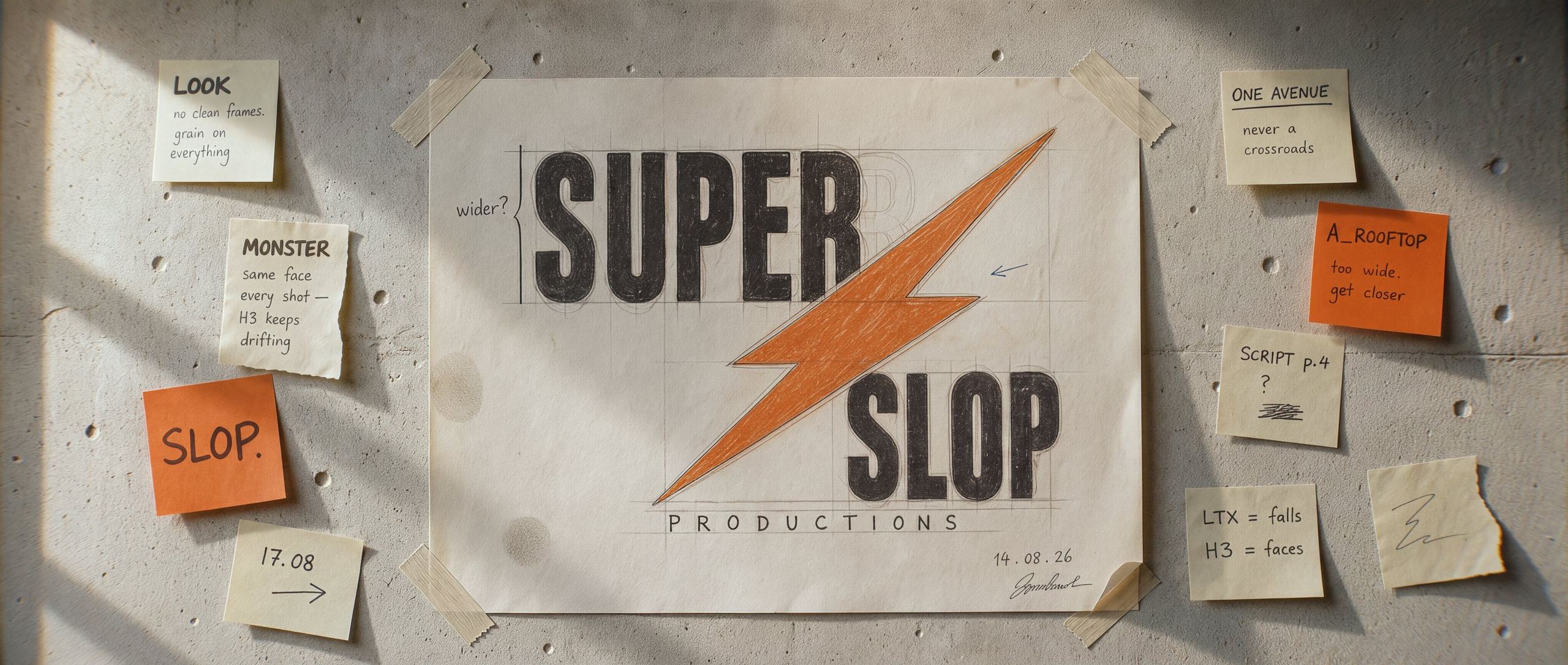
This is not a real office. This is not even real people. It is all AI generated, because that is the world we live in now. No headquarters. We work from wherever we happen to be — the render queue does not care, and neither does the deadline. Somewhere between Los Angeles and Tokyo there is always one of us awake to watch a take come back wrong, shrug, grin, and send it again.